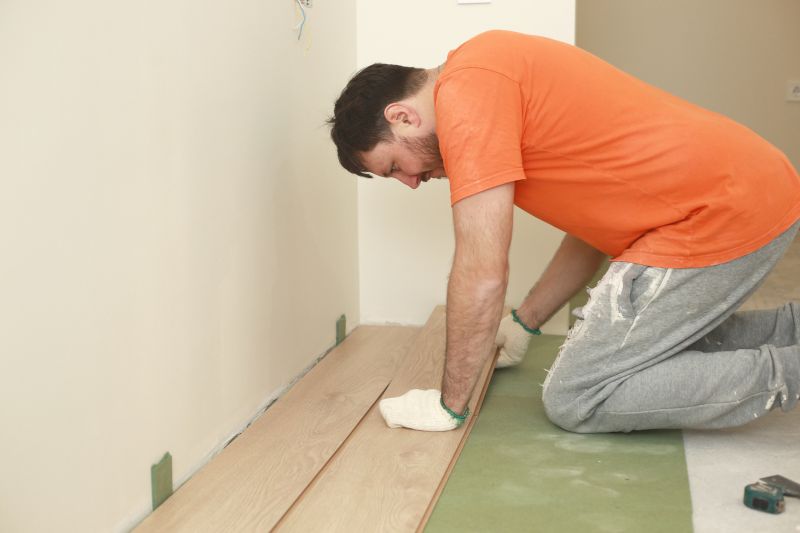
Sagging Floor Repair in Wilmington, NC
Sagging floor repair services address issues where the surface of a floor dips or becomes uneven due to structural problems beneath. This type of repair typically involves identifying the underlying causes, such as weakened joists, damaged supports, or shifting foundations, and restoring the stability of the flooring. Projects can range from fixing sagging in a single room to addressing broader issues in entire basements or crawl spaces, helping to improve safety and prevent further damage.
Homeowners interested in sagging floor repair usually want to understand the common signs of a problem, the potential causes, and the scope of work involved. It’s important to consider whether the issue is localized or widespread, and to be aware that repairs may include reinforcement of existing joists, replacement of damaged supports, or foundation stabilization. Asking questions about the process, materials used, and the expected outcomes can help property owners make informed decisions before requesting service.
Many property owners in Wilmington, NC look into Sagging Floor Repair for repairs, replacements, upgrades, and appearance-related improvements.
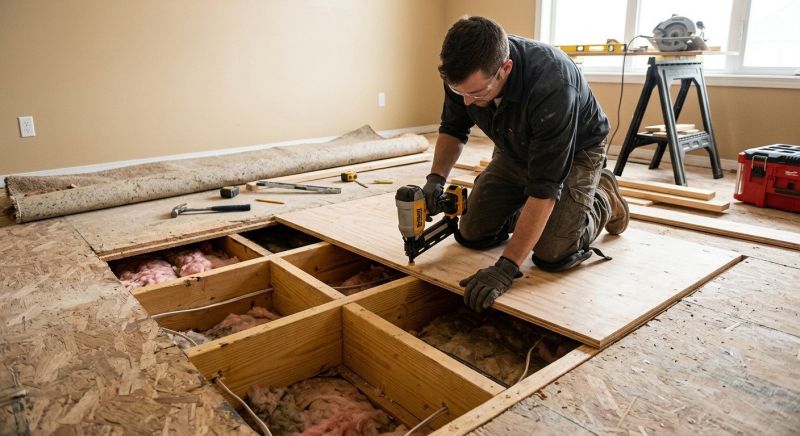
Signs Of A Sagging Floor
Uneven surfaces, creaking sounds, and visible dips indicate potential sagging floors.
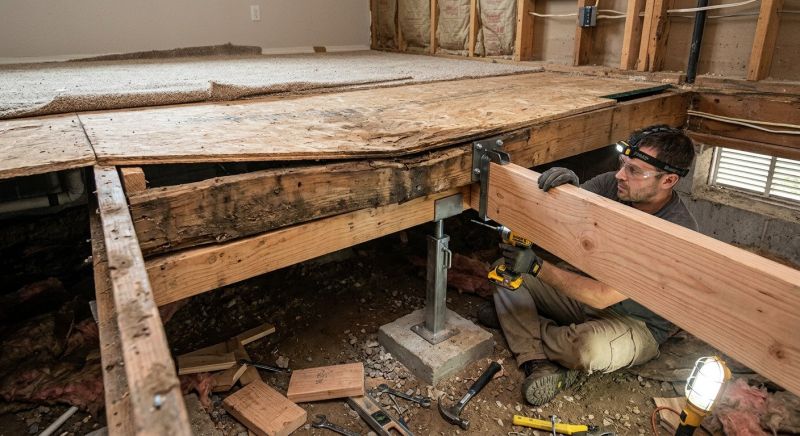
Common Causes Of Floor Sagging
Structural issues, water damage, and aging materials can lead to weakened floor support.
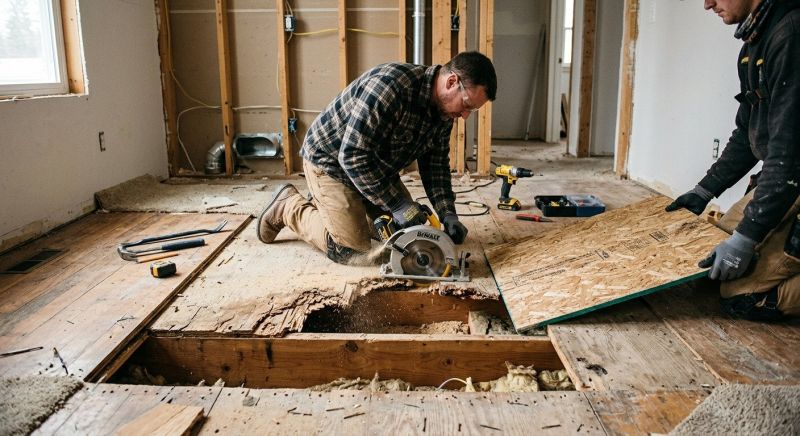
Repair Solutions For Sagging Floors
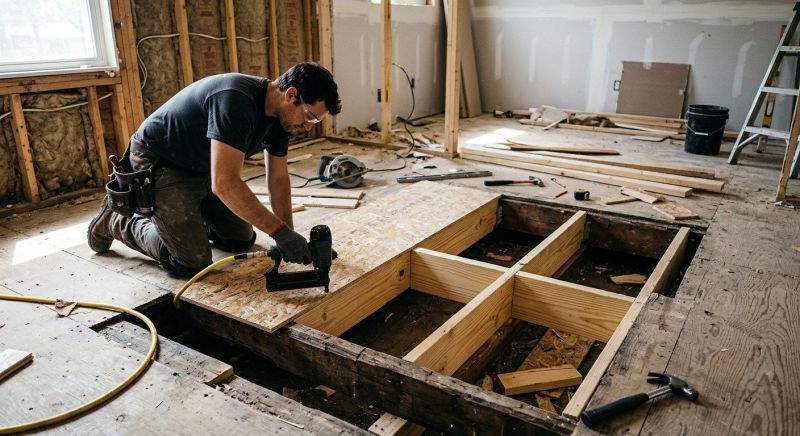
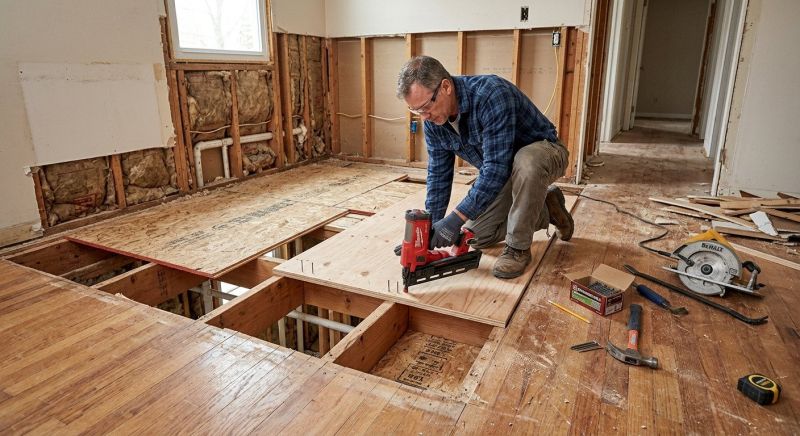
Reinforcing joists, adding support beams, and replacing damaged materials restore stability.
Sagging Floor Repair in Wilmington, NC
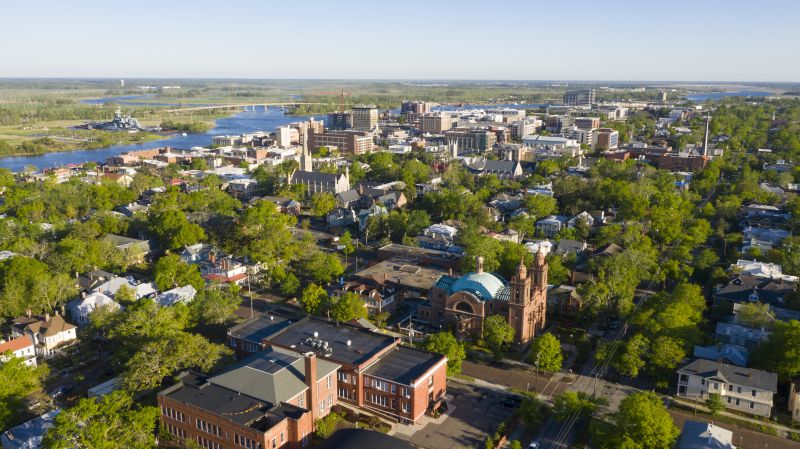
Sagging floor repair services address issues where the surface of a floor dips or becomes uneven due to structural problems beneath. This type of repair typically involves identifying the underlying causes, such as weakened joists, damaged supports, or shifting foundations, and restoring the stability of the flooring. Projects can range from fixing sagging in a single room to addressing broader issues in entire basements or crawl spaces, helping to improve safety and prevent further damage.
Homeowners interested in sagging floor repair usually want to understand the common signs of a problem, the potential causes, and the scope of work involved. It’s important to consider whether the issue is localized or widespread, and to be aware that repairs may include reinforcement of existing joists, replacement of damaged supports, or foundation stabilization. Asking questions about the process, materials used, and the expected outcomes can help property owners make informed decisions before requesting service.
Many property owners in Wilmington, NC look into Sagging Floor Repair for repairs, replacements, upgrades, and appearance-related improvements.
Common Sagging Floor Repair Jobs
Sagging Floor Repair - addresses uneven and weakened floors caused by structural issues.
Subfloor Reinforcement - stabilizes and restores support beneath sagging areas.
joist Jacking & Leveling - lifts and levels floors to improve safety and appearance.
Foundation Support - corrects foundation settling that leads to floor sagging.
Pier and Beam Repair - strengthens or replaces compromised supports for long-term stability.
Water Damage Restoration - prevents further deterioration that can cause floors to sag.
Sagging Floor Repair Questions
What causes floors to sag? Sagging floors often result from foundation settling, moisture issues, or structural damage that weakens support beams and joists.
How can sagging floors be repaired? Repairs typically involve reinforcing or replacing affected joists, installing new supports, or addressing underlying foundation problems.
Are sagging floors a sign of structural issues? Yes, persistent sagging can indicate underlying structural concerns that may need assessment and proper repair.
Is it possible to prevent floor sagging? Proper foundation maintenance, managing moisture levels, and regular inspections can help reduce the risk of floors sagging over time.
Request Sagging Floor Repair in Wilmington, NC
Use the quote form on this page to share the basics of your project and request more information for the type of work you need.