Compare Local Contractors for Deck Rail Replacement Projects
Compare local contractors for deck rail replacement to define project scope, verify experience, and establish clear expectations for a successful upgrade.
Deck rail replacement is a common service that involves removing and installing new railings around a deck to enhance safety and aesthetic appeal. This work typically includes assessing the existing structure, selecting appropriate materials, and ensuring the new rails are securely installed to meet safety standards. Contractors may also handle related tasks such as repairing or reinforcing the underlying framework to support the new railing system, providing a finished look that complements the overall style of the deck.
Defining the scope of a deck rail replacement project is essential for setting clear expectations and ensuring the work aligns with property owners’ needs. A well-defined scope outlines the specific materials to be used, the extent of demolition or removal, the design preferences, and any additional features such as lighting or decorative elements. Clarifying these details in writing helps prevent misunderstandings and provides a reference point for both property owners and contractors throughout the project.
When comparing local contractors for deck rail replacement, property owners should consider factors such as experience with similar projects, reputation within the community, and the quality of work demonstrated in past jobs. It’s useful to review references or portfolios to verify a contractor’s expertise and consistency. Additionally, obtaining detailed written estimates that specify the scope of work, materials, and responsibilities can help property owners make informed decisions and choose service providers who are transparent and professional in their approach.
Compare local contractors by outlining project priorities, verifying experience, and establishing clear scope and expectations in writing.
- Compare Contractor Experience - Review the background and project history of local contractors to ensure they have relevant experience with deck rail replacement.
- Define Project Scope Clearly - Outline the specific materials, design preferences, and extent of work to set clear expectations.
- Verify Credentials and References - Check references or previous work to assess the quality and reliability of potential service providers.
- Get Written Agreements - Ensure all project details, scope, and responsibilities are documented in a formal agreement.
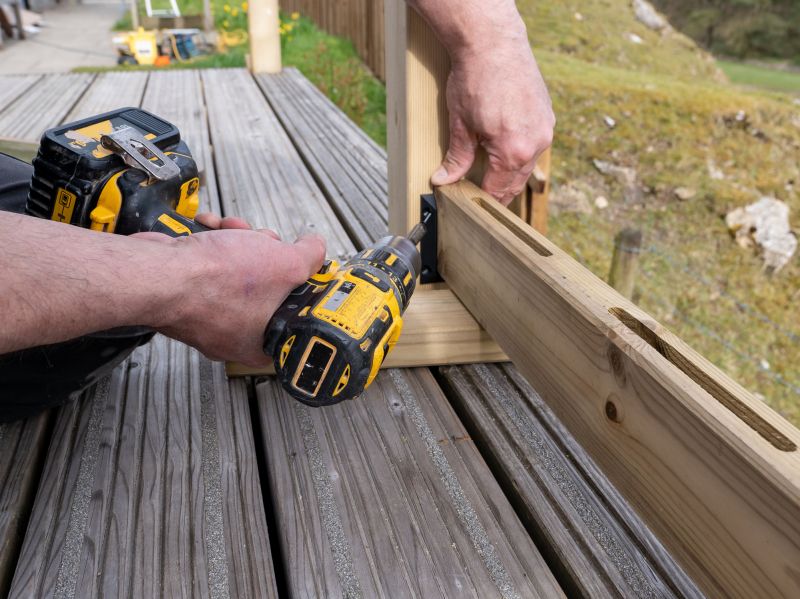
Clearly describe your deck rail replacement project to compare contractors, verify experience, and set expectations in writing.
- Verify the contractor’s experience with deck rail replacement projects to ensure familiarity with common materials and techniques. - Consider how the scope of work is clearly defined and documented in the contract to prevent misunderstandings.
- Assess the contractor’s knowledge of local building codes and safety standards related to deck rail installation. - Ensure that the service providers can provide references or examples of similar completed projects.
- Check that the scope of work includes detailed descriptions of materials, design, and finish expectations. - Confirm that the contract specifies responsibilities for removal, disposal, and installation of new railings.
- Ensure the contractor provides a written warranty or guarantee on workmanship and materials used. - Look for clarity on project scope, costs, and expectations to facilitate comparison among local contractors.
- Review the contractor’s communication style and responsiveness to questions about project scope and process. - Choose service providers who clearly outline project steps and answer questions thoroughly.
Compare local contractors, clarify project scope, verify experience, and set clear expectations in writing.

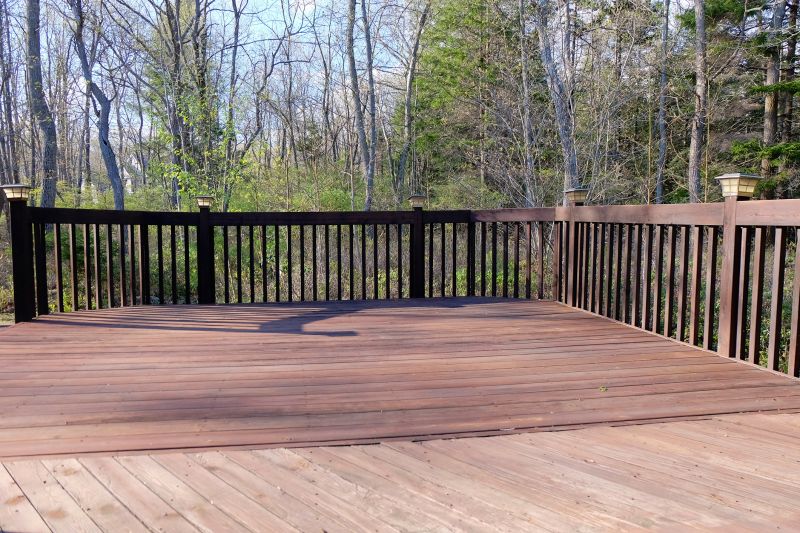
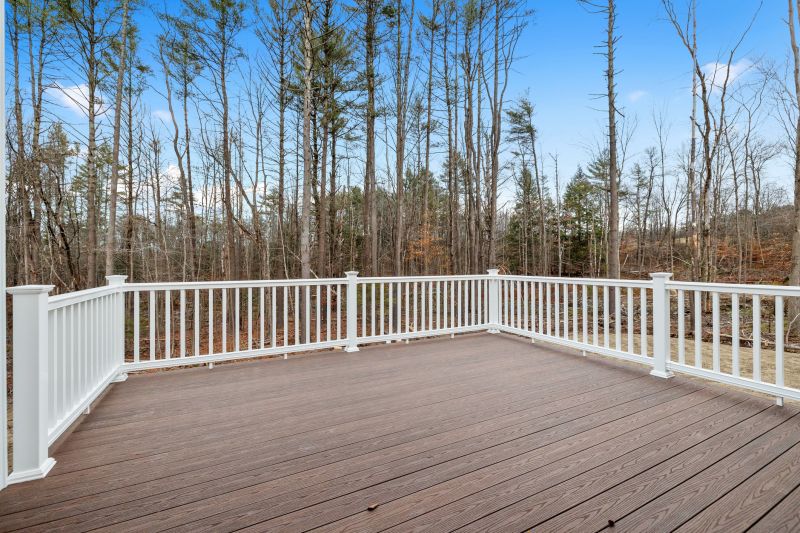
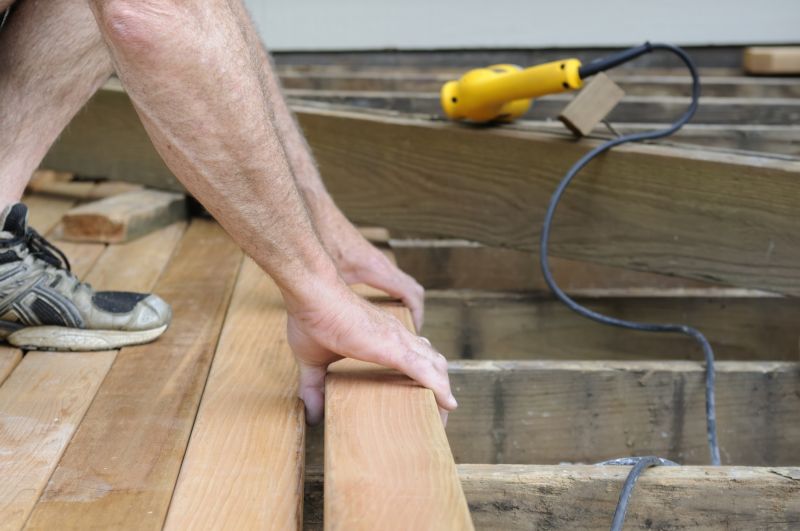
Use consistent criteria to compare local contractors' scope definitions, experience verification, and written expectations.
- Scope Definition - Clearly outline the specific materials, design, and extent of the deck rail replacement project.
- Experience Verification - Confirm that local contractors have relevant experience with deck rail installation and replacement.
- Material Specifications - Specify the types of materials to be used, including wood, composite, or metal options.
- Workmanship Expectations - Document the quality standards and methods that the service providers should follow during installation.
- Written Agreement - Ensure all project details, scope, and responsibilities are documented in a formal written scope of work.
When comparing contractors for deck rail replacement, it is important to assess their experience with similar projects. Homeowners should inquire about the types of decks and rail systems the service providers have worked on in the past. Contractors with a history of handling projects comparable in scope and design are more likely to understand the specific requirements and challenges involved. Verifying the extent of their experience can help ensure the selected professional has the skills necessary to deliver a quality result that aligns with the homeowner’s expectations.
A clear, written scope of work is essential when evaluating different service providers. This document should outline the specific tasks involved in the deck rail replacement, including materials to be used, the extent of work, and any preparatory or finishing steps. Having a detailed scope helps prevent misunderstandings and provides a basis for comparing proposals. Homeowners should seek detailed descriptions that cover all aspects of the project, ensuring that each contractor’s approach is transparent and comprehensive.
Verification basics involve confirming that contractors have the necessary background and track record for similar projects. This can include reviewing references, checking for any relevant project portfolios, or seeking testimonials from previous clients. It is also helpful to verify that the service providers have the appropriate insurance coverage and adhere to safety standards. Gathering this information provides confidence that the contractor has a history of satisfactory work and follows industry best practices, reducing the risk of surprises during the project.
Evaluating options without focusing on prices involves carefully comparing the quality of work, scope clarity, and experience levels of different service providers. Homeowners should consider how well each contractor’s proposal aligns with the project’s needs and whether their communication was clear and professional. Asking detailed questions about the process and expected outcomes can aid in understanding each option’s strengths. This approach helps ensure that the chosen contractor is capable of meeting project expectations, leading to a smoother and more predictable deck rail replacement experience.
Ask contractors to provide written scope of work to ensure clear expectations and consistent project details.
- Experience and Qualifications - What specific experience do local contractors have with deck rail replacement projects?
- Scope of Work - How do contractors define and clarify the scope of the rail replacement to ensure all expectations are covered?
- Materials and Design - What materials and design options do local service providers recommend for durability and style?
- Project Expectations - How do contractors outline project deliverables and responsibilities in writing to prevent misunderstandings?
- Comparison Criteria - What key factors should be considered when comparing different local contractors for deck rail replacement?
What should I consider when comparing contractors for deck rail replacement? It's important to review their experience with similar projects, verify their reputation through references or reviews, and ensure clear communication about the scope of work to set proper expectations.
How can I define the scope of a deck rail replacement project? Clearly outline the materials, design preferences, and extent of work needed, and discuss these details with potential contractors to ensure everyone agrees on what the project entails.
What questions should I ask a contractor about their experience with deck rail replacement? Inquire about their previous projects, the types of materials they work with, and their familiarity with local building codes or standards relevant to deck rail installation.
Why is it important to get everything in writing when hiring a contractor? Having a written agreement helps clarify the scope, materials, and responsibilities, reducing misunderstandings and providing a record of what was agreed upon.
How can I verify a contractor’s experience with deck rail replacement? Request references or examples of past work, and check if they have specialized knowledge or a track record of successfully completing similar projects in the area.
What should I do after choosing a contractor for deck rail replacement? Confirm project details in writing, including scope and materials, and maintain open communication to ensure the work aligns with expectations throughout the process.
By exploring the information provided, visitors can gain a clear understanding of how to evaluate and compare local contractors for deck rail replacement. They’ve learned the importance of defining the scope of work, verifying experience, and establishing written agreements to set clear expectations. This approach helps ensure that the project aligns with individual needs and preferences, making the selection process more straightforward.
Using the quote form allows visitors to connect with trusted local service providers who can handle deck rail replacement projects. It provides a convenient way to explore options, compare offerings, and find the right contractor for their specific requirements. Taking this step can help facilitate a smooth and informed decision-making process.